


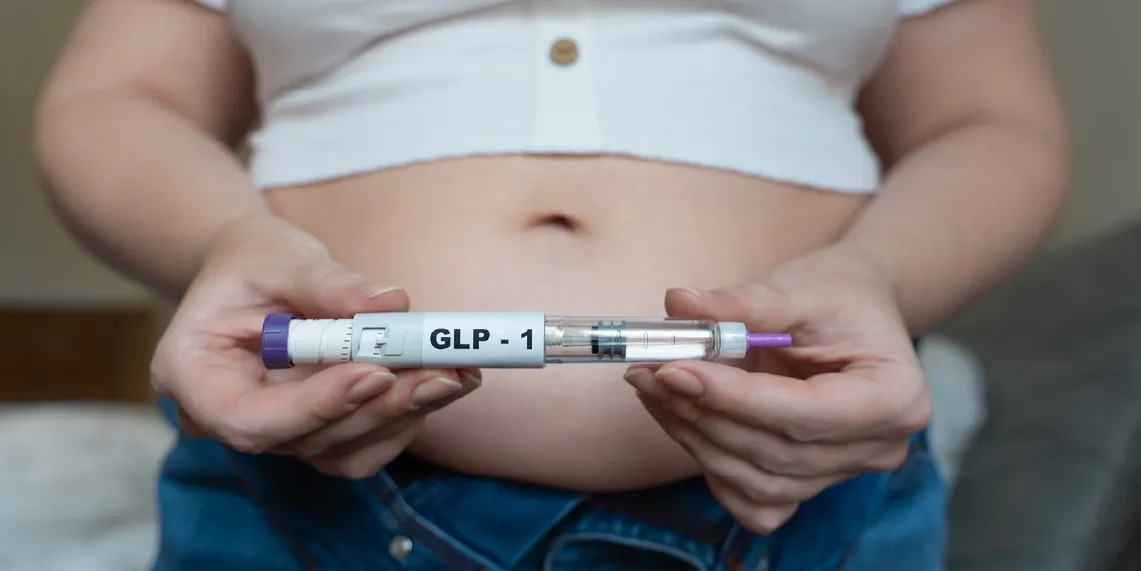
- What Is GLP-1?
- How Does GLP-1 Work for Weight Loss?
- What Is the Difference Between Natural GLP-1 and GLP-1 Medications?
- What Are the Benefits of GLP-1 for Weight Management?
- What Is the Difference Between GLP-1, Semaglutide, and Tirzepatide?
- Who Is a Suitable Candidate for GLP-1 Weight Management?
- Is GLP-1 Safe? What Are the Possible Side Effects?
- How Long Does GLP-1 Take to Work for Weight Loss?
- Will You Regain Weight After Stopping GLP-1?
- Is GLP-1 the Same as Fat-Dissolving Injections?
- Medical Weight Management with WeightMod Therapy at Ovela Clinic Jakarta
- Frequently Asked Questions About GLP-1
- Consult a Doctor About Medical Weight Management at Ovela Clinic Jakarta
- Medical References
GLP-1 has become an increasingly discussed topic in medical weight management, particularly with the growing interest in medications such as Wegovy and Mounjaro. These treatments have introduced new possibilities for people living with overweight or obesity who may struggle to achieve sustainable weight loss through lifestyle changes alone.
But what exactly is GLP-1? How does it help regulate appetite and body weight? And is GLP-1-based treatment suitable for everyone?
GLP-1 (glucagon-like peptide-1) is a naturally occurring hormone that helps regulate appetite, feelings of fullness, and blood glucose levels. Medications that activate GLP-1 receptors can support weight management by influencing hunger and satiety signals, helping eligible patients reduce their food intake. However, these medications are not intended for everyone and should only be used following an appropriate medical assessment.
What Is GLP-1?
GLP-1 stands for glucagon-like peptide-1, a hormone released primarily by specialized cells in the intestines after eating. incretin hormone dan terutama dilepaskan oleh sel-sel tertentu di usus setelah seseorang makan.
It belongs to a group of hormones known as incretins, which help coordinate the body's response to food.
GLP-1 plays several important roles in normal metabolic function:
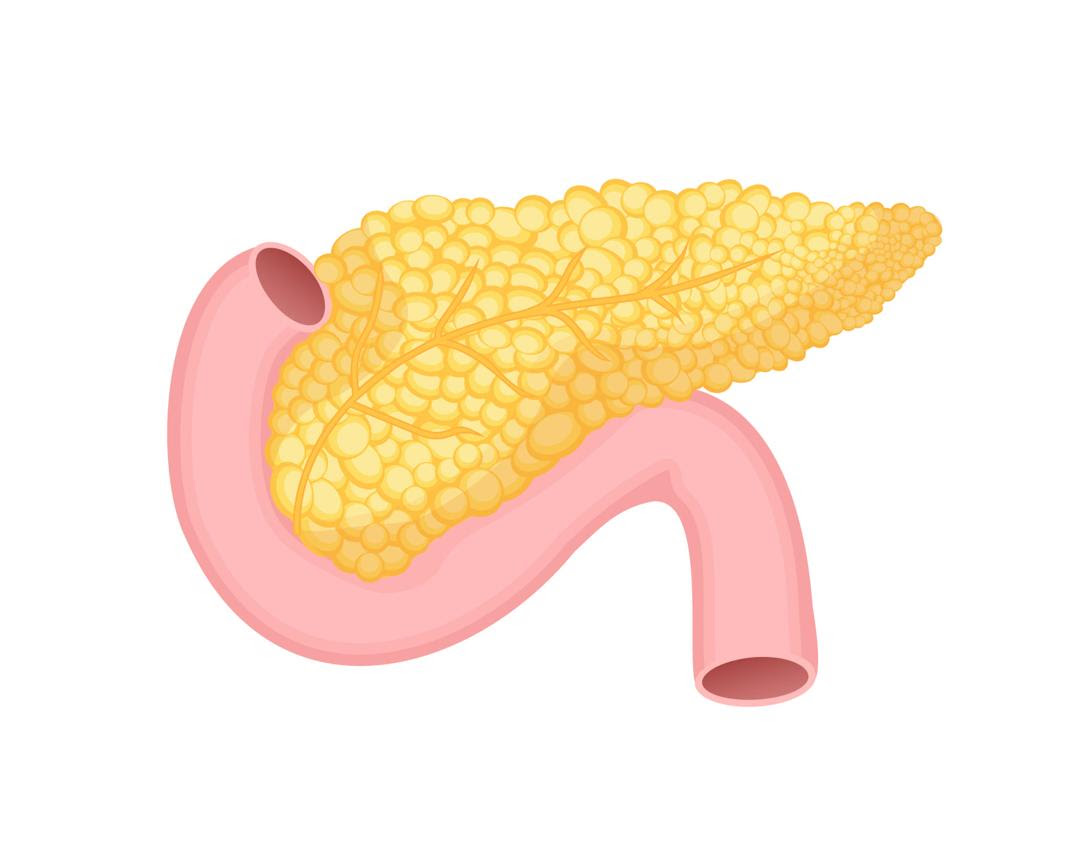
- Stimulating insulin release when blood glucose levels are elevated.
- Suppressing glucagon secretion under certain conditions.
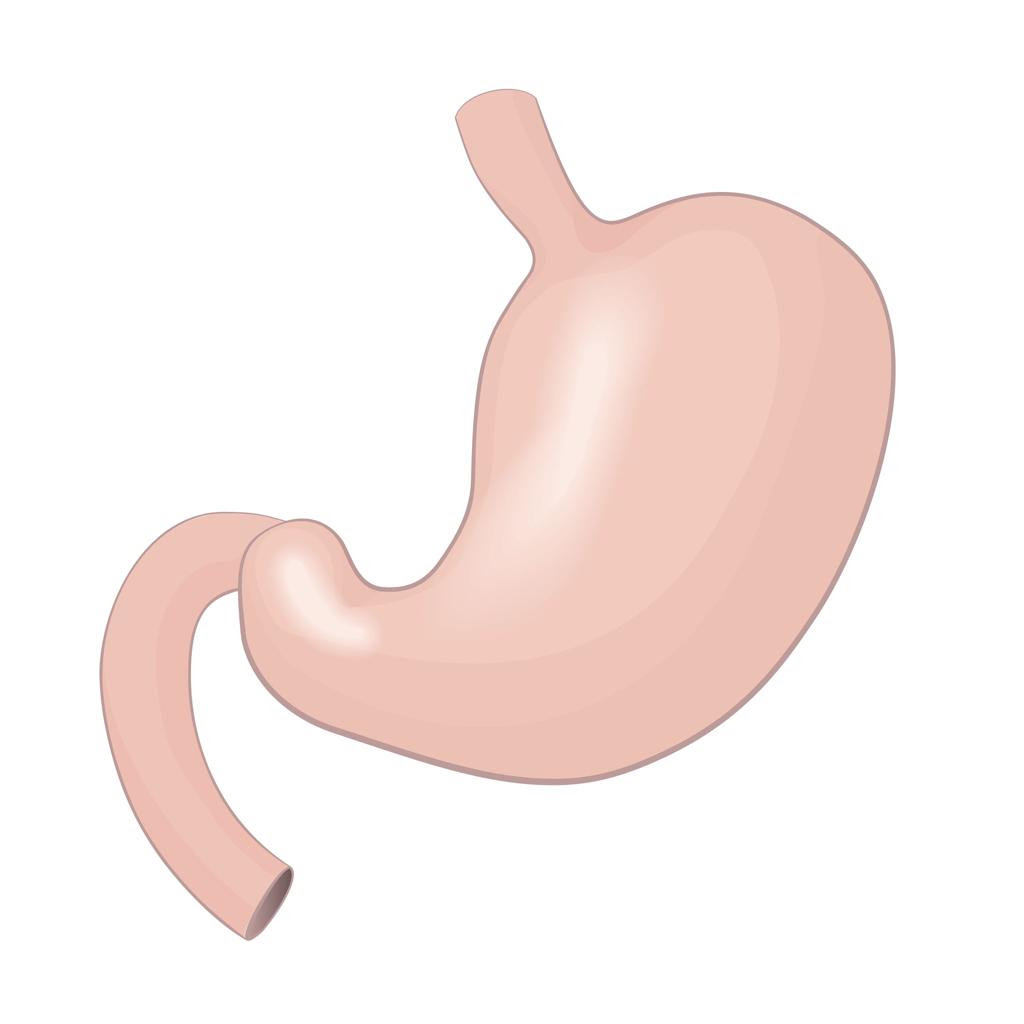
- Influencing the rate at which food leaves the stomach.
- Sending signals involved in appetite and satiety regulation.
- Helping regulate food intake and glucose metabolism.
Naturally produced GLP-1 has a relatively short duration of action because it is rapidly broken down by enzymes in the body.
GLP-1 receptor agonist medications are designed to activate the same receptor pathways while producing longer-lasting therapeutic effects.
One example is semaglutide, which is used for certain medical conditions, including chronic weight management in eligible patients.
How Does GLP-1 Work for Weight Loss?

GLP-1-based medications do not directly dissolve or destroy body fat.
Instead, they influence the biological mechanisms involved in hunger, fullness, and energy intake.
Several important processes contribute to their effects on weight management.
1. Helps Reduce Hunger
GLP-1 acts on receptors involved in appetite regulation, including pathways within the central nervous system.
Activating these pathways can help reduce hunger and the desire to eat.
Some patients may notice that they feel hungry less frequently or find it easier to manage their portion sizes.
However, individual responses vary.
2. Increases Feelings of Fullness
GLP-1-based therapy can help patients feel satisfied after consuming smaller portions of food.
This effect is related to the medication's influence on appetite and satiety signaling.
As feelings of fullness increase, some patients find it easier to reduce their overall calorie intake. Over time, reduced energy intake can contribute to weight loss.
3. Slows Gastric Emptying
GLP-1 can slow gastric emptying, meaning that food moves from the stomach into the small intestine more slowly.
This effect can contribute to feelings of fullness, particularly during certain stages of treatment.
However, the degree of gastric-emptying delay may change with prolonged treatment and varies between medications.
This mechanism also contributes to some gastrointestinal side effects, including nausea and abdominal fullness.
4. Supports Blood Glucose Regulation
GLP-1 stimulates insulin secretion in a glucose-dependent manner and can reduce glucagon secretion under certain conditions.
These actions help regulate blood glucose levels. GLP-1 receptor agonists were initially developed primarily for type 2 diabetes management.
Their effects on appetite and body weight subsequently supported the development and approval of certain GLP-1-based medications for chronic weight management.
In summary, GLP-1-based treatment primarily supports weight loss by regulating appetite, increasing satiety, and reducing energy intake—not by directly breaking down fat cells.
What Is the Difference Between Natural GLP-1 and GLP-1 Medications?
Although they act through related biological pathways, naturally occurring GLP-1 and prescription GLP-1 receptor agonists are not identical.
| Natural GLP-1 | GLP-1 Receptor Agonist Medications |
|---|---|
| Produced naturally by the body | Administered as medical treatment |
| Rapidly broken down | Designed for longer-lasting activity |
| Helps regulate normal metabolic processes | Activates GLP-1 receptors for therapeutic purposes |
| Part of normal hormone signaling | Used for specific medical indications |
These medications do not replace every function of the natural hormone. Instead, they use GLP-1 receptor pathways to produce specific therapeutic effects.
What Are the Benefits of GLP-1 for Weight Management?
For patients who meet the appropriate medical criteria, GLP-1-based medications can be an effective component of a comprehensive weight management program.
Potential benefits include:
- Reduced appetite and hunger.
- Increased feelings of fullness.
- Lower overall energy intake.
- Clinically meaningful weight loss in eligible patients.
- Improvements in certain metabolic risk factors, depending on the medication and patient.
In the STEP 1 clinical trial, published in The New England Journal of Medicine in 2021, adults with overweight or obesity who received semaglutide 2.4 mg once weekly alongside lifestyle intervention achieved an average weight reduction of approximately 14.9% after 68 weeks. The placebo group achieved an average reduction of approximately 2.4%.
However, these findings represent average outcomes under specific clinical trial conditions. They do not guarantee the same degree of weight loss for every patient.
Individual outcomes depend on several factors, including medical history, baseline weight, medication, dosage, treatment duration, lifestyle, and individual response.
What Is the Difference Between GLP-1, Semaglutide, and Tirzepatide?
These terms are often used interchangeably, but they refer to different things.
GLP-1 is a naturally occurring hormone and the biological pathway targeted by certain medications.
Semaglutide is a GLP-1 receptor agonist that activates GLP-1 receptors. Wegovy is one example of a semaglutide-based medication developed for chronic weight management.
Tirzepatide is a dual GIP/GLP-1 receptor agonist. It activates both glucose-dependent insulinotropic polypeptide (GIP) and GLP-1 receptors. Mounjaro is a brand containing tirzepatide.
| Feature | Semaglutide | Tirzepatide |
|---|---|---|
| Mechanism | GLP-1 receptor agonist | Dual GIP/GLP-1 receptor agonist |
| Example brand | Wegovy | Mounjaro |
| Appetite regulation | Yes | Yes |
| Weight management use | For eligible patients | For eligible patients |
| Medical supervision required | Yes | Yes |
Both medications can support weight management in appropriately selected patients, but they are not interchangeable.
Treatment selection depends on the approved indications, patient characteristics, medical history, contraindications, tolerability, and treatment goals.
For a more detailed explanation, read: Wegovy vs Mounjaro for Weight Loss: What’s the Difference?.
You can also explore Mounjaro for Weight Loss in Jakarta: How Does Tirzepatide Work?.
Who Is a Suitable Candidate for GLP-1 Weight Management?
GLP-1-based treatment is not intended for everyone who wants to lose weight.
For adults, eligibility for certain prescription weight management medications commonly includes:
- A body mass index (BMI) of 30 kg/m² or higher.
- A BMI of 27 kg/m² or higher with at least one weight-related health condition.
These are examples of criteria used for certain medications. Actual eligibility depends on the specific product's approved indications, local regulations, and individual medical circumstances.
BMI thresholds and risk assessment may also require additional consideration in Asian populations. Before recommending treatment, a physician should evaluate factors such as:
- Weight history and previous weight changes.
- Existing metabolic conditions.
- Current medications.
- Gastrointestinal and pancreatic medical history.
- Previous weight management attempts.
- Eating patterns and physical activity.
- Individual goals and expectations.
Someone wishing to lose only a few kilograms for cosmetic reasons may not have a medical indication for GLP-1-based treatment.
This is why, a proper medical assessment is therefore essential.
Is GLP-1 Safe? What Are the Possible Side Effects?
GLP-1-based medications can provide meaningful benefits, but they also carry potential risks.
The most commonly reported side effects involve the gastrointestinal system.
- Mual.
- Vomiting
- Diarrhea
- Constipation.
- Abdominal discomfort or fullness.
- Abdominal pain.
Gastrointestinal symptoms are particularly common when starting treatment or increasing the dosage.
More serious potential risks include pancreatitis, gallbladder disease, dehydration-related kidney injury, and severe allergic reactions.
The risk of hypoglycemia may increase when these medications are used alongside insulin or certain diabetes medications.
Some medications, including semaglutide, carry contraindications for patients with a personal or family history of medullary thyroid carcinoma (MTC) or multiple endocrine neoplasia syndrome type 2 (MEN2), according to their prescribing information.
GLP-1-based weight management medications are generally not recommended during pregnancy. Patients who are pregnant, planning pregnancy, or breastfeeding should discuss their circumstances with a physician.
A history of severe gastrointestinal disease or other relevant medical conditions also requires careful assessment.
Patients experiencing persistent severe abdominal pain, prolonged vomiting, or signs of a serious allergic reaction should seek prompt medical attention.
Safety considerations and contraindications differ between medications, making individualized medical evaluation essential.
How Long Does GLP-1 Take to Work for Weight Loss?
The response to GLP-1-based therapy varies between individuals.
Some patients notice changes in appetite or feelings of fullness during the early stages of treatment.
However, clinically meaningful weight changes are generally evaluated over several weeks to months.
Many weight management medications use gradual dose escalation, also known as dose titration, to improve tolerability and reduce certain adverse effects.
Therefore, results during the first few weeks should not be compared directly with those of someone who has been receiving treatment for several months.
Treatment progress should be evaluated using weight changes, medication tolerability, metabolic health, and overall clinical response.
Will You Regain Weight After Stopping GLP-1?
Weight regain is possible after GLP-1-based treatment is discontinued.
This occurs partly because the biological mechanisms that regulate appetite and body weight continue to influence the body after the medication's effects diminish.
In the STEP 1 trial extension, participants who discontinued semaglutide regained a substantial proportion of their previously lost weight during the following year.
These findings highlight why obesity is often considered a chronic condition requiring long-term management.
A comprehensive weight management strategy should therefore include:
- Sustainable dietary habits.
- Regular physical activity.
- Preservation of muscle mass.
- Adequate sleep.
- Monitoring of metabolic health.
- A long-term weight maintenance plan.
Decisions about continuing or discontinuing medication should always be discussed with the treating physician.
Is GLP-1 the Same as Fat-Dissolving Injections?
No. GLP-1-based treatment and localized fat reduction procedures have different purposes.
GLP-1-based medications influence appetite and energy intake to support overall weight management.
Localized fat reduction treatments, on the other hand, are intended to address unwanted fat in specific areas of the body.
For example, someone may have a relatively stable body weight but still experience localized fat accumulation around the abdomen, arms, or double chin.
This does not necessarily mean they need GLP-1 medication.
At Ovela Clinic, treatment options for localized fat and body contouring include Fat Loss Therapy and RF Slimming, depending on individual assessment and treatment suitability.
The appropriate approach depends on whether the primary concern is overall weight management, localized fat, body contouring, or skin tightening.
Medical Weight Management with WeightMod Therapy at Ovela Clinic Jakarta
For patients seeking a medically supervised approach to weight management, Ovela Clinic offers WeightMod Therapy.
WeightMod is a medical weight management program designed around individual assessment and physician supervision.
Rather than focusing solely on weight loss medication, the program begins with an evaluation of the patient's overall health, BMI, medical history, and factors affecting weight management.
When clinically appropriate, the physician may consider medication-based treatment, including GLP-1 receptor agonists or dual GIP/GLP-1 receptor agonists, depending on the patient's needs, approved indications, and availability.
Ongoing monitoring helps assess treatment response, tolerability, potential side effects, and whether adjustments are necessary.
Ovela Clinic also offers a range of slimming and body contouring treatments that may be considered separately for patients with localized concerns.
Frequently Asked Questions About GLP-1
1. What is GLP-1 for weight loss?
GLP-1 is a naturally occurring hormone involved in appetite, satiety, and blood glucose regulation. Medications that activate GLP-1 receptors can support weight loss in eligible patients by helping regulate hunger and food intake.
2. Does GLP-1 directly burn body fat?
No. GLP-1-based medications do not directly dissolve fat cells. They primarily support weight loss through appetite regulation and reduced energy intake.
3. Is GLP-1 the same as Mounjaro?
Not exactly. Mounjaro contains tirzepatide, which activates both GIP and GLP-1 receptors. Other medications, such as semaglutide, specifically act as GLP-1 receptor agonists.
4. Do you need to take GLP-1 medication for life?
Not necessarily. There is no single treatment duration suitable for everyone. Some patients may require long-term management, while others may follow different treatment plans depending on their medical circumstances and response.
5. Can people without diabetes use GLP-1 medication?
Yes. Certain GLP-1-based medications are approved for chronic weight management in eligible patients without diabetes. However, indications vary between products and countries.
6. Is GLP-1 suitable for losing just 3–5 kilograms?
Not automatically. GLP-1-based treatment is not intended simply for cosmetic weight loss. Eligibility depends on BMI, health conditions, approved indications, and medical assessment.
7. Are GLP-1 weight loss results permanent?
Not necessarily. Weight regain can occur after stopping treatment. Sustainable lifestyle changes and a long-term weight management strategy remain important.
8. Where can I consult a doctor about GLP-1 weight management in Jakarta?
Patients can arrange a medical weight management consultation through WeightMod Therapy at Ovela Clinic Jakarta. A physician will evaluate whether medication-based treatment is appropriate for their individual circumstances.
Consult a Doctor About Medical Weight Management at Ovela Clinic Jakarta
Weight management is not always as simple as eating less or exercising more. Biological, metabolic, behavioral, and medical factors can all influence a person's ability to manage their weight.
GLP-1-based medications may offer an additional treatment option for appropriately selected patients, but they are not a universal solution.
If you are considering GLP-1 therapy, Wegovy, Mounjaro, or medically supervised weight loss treatment in Jakarta, a consultation can help you understand which options may be appropriate for your health and goals.
Explore WeightMod Therapy – Medical Weight Management in Jakarta.
Ovela Clinic Tebet – South Jakarta
WhatsApp: 0857-8888-9188
Ovela Clinic Kebon Jeruk – West Jakarta
WhatsApp: 0822-4040-8086
Book Your WeightMod Consultation
Medical References
- Wilding JPH, et al. Once-Weekly Semaglutide in Adults with Overweight or Obesity. New England Journal of Medicine. 2021;384:989–1002. https://doi.org/10.1056/NEJMoa2032183
- Wilding JPH, et al. Weight regain and cardiometabolic effects after withdrawal of semaglutide: The STEP 1 trial extension. Obesity and Metabolism. 2022;24:1553–1564. https://doi.org/10.1111/dom.14725
- National Institute of Diabetes and Digestive and Kidney Diseases (NIDDK). What’s New in Medications for Weight Management for People with Diabetes. https://www.niddk.nih.gov/health-information/professionals/diabetes-discoveries-practice/new-in-medications-for-weight-management
- NIDDK. How to Incorporate Weight-loss Medications in Diabetes Care. https://www.niddk.nih.gov/health-information/professionals/diabetes-discoveries-practice/incorporate-weight-loss-medications-diabetes-care
Disclaimer: This article is intended for educational purposes only and does not replace individualized medical advice. Prescription weight management medications should only be used when medically indicated and under appropriate physician supervision.